
Patient billing transparency laws are reshaping the healthcare landscape, offering a clearer view of medical costs for patients and their families. These regulations not only empower consumers but also hold healthcare providers accountable for their pricing practices.
With the demand for transparency on the rise, understanding these laws becomes essential for everyone involved in the healthcare system. By establishing clear guidelines, hospitals and facilities are mandated to share accurate billing information, ultimately fostering trust and improving patient experiences.
Overview of Patient Billing Transparency Laws
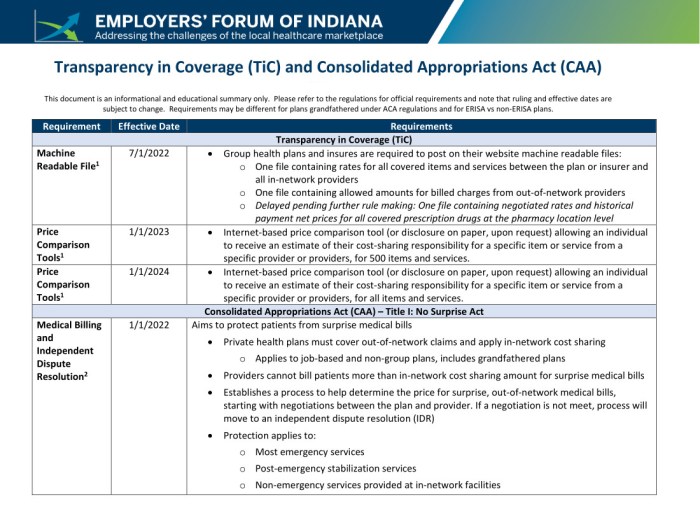
Patient billing transparency laws have emerged as crucial regulations aimed at improving the clarity and fairness of healthcare billing practices. These laws empower patients by providing them with clear and accessible information about their healthcare costs before services are rendered. This shift not only fosters trust between patients and providers but also encourages healthcare facilities to adopt more standardized billing practices.The significance of patient billing transparency laws lies in their role in promoting informed decision-making among patients and enhancing accountability within healthcare systems.
Under these laws, hospitals and healthcare facilities are required to disclose specific information regarding pricing and billing. This includes providing clear estimates of the costs associated with various services, including the potential out-of-pocket expenses based on the patient’s insurance coverage.
Requirements for Hospitals and Healthcare Facilities
Healthcare providers must adhere to several key requirements as stipulated by patient billing transparency laws. These requirements are designed to ensure that patients are adequately informed about their financial responsibilities. The following points highlight essential mandates for compliance:
- Provision of a comprehensive list of services and their associated costs, including both facility fees and professional fees.
- Availability of cost estimates for specific procedures or services upon request, which should include potential variances based on patient-specific factors.
- Implementation of user-friendly online tools that allow patients to calculate expected costs based on their insurance plans.
- Clear communication of any financial assistance programs or payment plans available to patients who may struggle to afford their medical bills.
- Regular updates to pricing information to reflect any changes in service costs or adjustments in insurance contracts.
The advantages of patient billing transparency extend beyond simply informing patients. They also encourage healthcare systems to improve operational efficiency. By clearly outlining costs, facilities can reduce billing mistakes and disputes, leading to a smoother revenue cycle. Additionally, patients who understand their financial obligations are more likely to engage in discussions about their care options, promoting a collaborative approach to healthcare.
The introduction of patient billing transparency laws has fundamentally shifted the landscape of healthcare finance, fostering an environment where informed patients can make empowered healthcare choices.
Challenges in Implementing Patient Billing Transparency
Implementing patient billing transparency laws presents various challenges that healthcare organizations must navigate. These obstacles can impact compliance efforts and the overall effectiveness of transparency initiatives, highlighting the complexity of healthcare billing systems. Understanding these challenges helps in strategizing effective solutions.One of the primary challenges healthcare organizations face is the complexity of existing billing systems. Many organizations lack the necessary infrastructure to provide clear, understandable pricing information to patients.
Additionally, discrepancies in billing practices and insurance coverage can lead to confusion for both patients and providers. This complexity can be further compounded by the varying state and federal regulations that govern billing transparency, making it difficult for organizations to establish a uniform approach.
Common Obstacles to Compliance
Various obstacles hinder compliance with patient billing transparency laws, including:
- Inadequate Technology: Many healthcare providers use outdated billing systems that are not equipped to handle the demands of transparency laws. This can limit their ability to generate clear and accessible price estimates.
- Lack of Training: Staff members may not be adequately trained to understand or communicate billing details to patients, leading to misunderstandings and frustration.
- Data Fragmentation: Billing information often resides in multiple systems, making it difficult to consolidate and present a coherent price estimate.
- Regulatory Variability: Different states may have distinct requirements, complicating the implementation of a consistent billing transparency strategy across regions.
The use of technology plays a critical role in overcoming these challenges.
Technological Solutions for Transparency
To enhance billing transparency, healthcare organizations can adopt various technological solutions that streamline processes and improve patient communication. These solutions include:
- Patient Portals: Secure online platforms where patients can view their billing information, understand insurance coverage, and receive estimates before treatment.
- Automated Billing Systems: Advanced systems that integrate with clinical data to provide real-time pricing information, making it easier for patients to understand their financial responsibilities.
- Analytics Tools: Software that analyzes billing data to identify trends and discrepancies, helping organizations refine their billing practices and improve transparency.
- Mobile Applications: Apps that offer cost estimates and allow patients to manage their healthcare expenses conveniently.
Implementing these technologies not only aids compliance but also improves patient satisfaction by making billing processes more transparent.
Effectiveness of Strategies for Enhancing Transparency
Healthcare providers utilize various strategies to enhance billing transparency, each with its effectiveness.
- Standardized Pricing Models: Implementing consistent pricing for services helps patients understand costs upfront. However, variations in services can complicate this approach.
- Enhanced Communication: Providing clear, accessible information through multiple channels can significantly improve patient understanding of their bills. Effective communication leads to increased trust and satisfaction.
- Collaboration with Insurers: Working closely with insurance providers helps align billing practices, leading to fewer surprises for patients regarding their financial responsibilities.
- Patient Education Programs: Offering educational resources about billing processes empowers patients to make informed decisions, fostering a culture of transparency.
Each strategy has its strengths and weaknesses, but when used in combination, they can significantly improve the overall transparency of healthcare billing practices.
“Transparency in patient billing is not merely a regulatory requirement; it fosters trust and empowers patients in their healthcare journey.”
Relation of Medical Billing to Patient Billing Transparency
Patient billing transparency laws have a significant impact on medical billing practices, shaping how healthcare providers communicate costs to their patients. With a growing emphasis on transparency, medical billing processes are being scrutinized to ensure that patients are fully informed about their financial responsibilities before receiving care. These laws aim to eliminate surprise billing and foster trust between patients and providers.Medical billing practices are affected by transparency laws in several ways.
Firstly, providers must clearly Artikel the costs associated with services, tests, and procedures, ensuring patients receive comprehensive estimates before treatment. This shift demands a restructuring of billing systems and a more organized approach in how information is presented to patients. Compliance with transparency laws requires healthcare providers to adopt clearer coding practices and maintain up-to-date price lists for services.
Best Practices for Accurate and Clear Medical Billing
Implementing best practices in medical billing is essential for healthcare providers to meet transparency standards. Clear and accurate billing not only enhances patient understanding but also reduces the risk of errors and disputes. Below are key practices that healthcare providers can adopt to ensure billing accuracy and clarity:
- Regularly update pricing information: Ensure that all service costs are current and easily accessible to patients. This involves frequent reviews of fee schedules and prompt adjustments to changes in pricing.
- Provide detailed breakdowns: Include itemized statements that specify each service rendered, along with corresponding costs. This transparency helps patients understand their bills and the reasons behind charges.
- Utilize patient-friendly language: Avoid complex medical jargon in billing documents. Instead, use clear and straightforward language that patients can easily comprehend.
- Establish a clear communication channel: Create a system whereby patients can easily inquire about their bills and receive prompt responses. This fosters trust and helps address any billing concerns early on.
- Conduct training for billing staff: Ensure that employees involved in medical billing are trained in transparency laws and best practices to minimize errors and enhance patient communication.
The consequences of non-compliance with patient billing transparency laws can significantly affect medical billing processes. Failure to adhere to these regulations may lead to financial penalties for healthcare providers, damaging their reputations and eroding patient trust. Additionally, non-compliance can result in increased audits and oversight from regulatory bodies, imposing further strain on healthcare operations.
“Non-compliance can lead to financial penalties and loss of patient trust, which are detrimental to healthcare providers.”
In summary, the relationship between medical billing and patient billing transparency is vital for creating an informed healthcare environment. Providers must embrace best practices to ensure accuracy in billing while being vigilant about compliance with transparency laws to foster confidence and satisfaction among their patients.
Closing Summary
In conclusion, patient billing transparency laws serve as a crucial tool in enhancing the relationship between patients and healthcare providers. By navigating the challenges and implementing effective strategies, we can look forward to a more transparent healthcare system that benefits all parties involved.
Questions and Answers
What are patient billing transparency laws?
These laws require healthcare providers to disclose pricing information and billing practices to ensure patients are informed about their medical costs.
Why are these laws important?
They empower patients to make informed decisions about their healthcare and encourage competition among providers, potentially lowering costs.
What challenges do providers face in compliance?
Common challenges include outdated technology, lack of staff training, and resistance to change within organizations.
How do these laws affect insurance companies?
They may require insurance companies to adapt their policies and pricing structures to align with the transparency mandates.
What are the penalties for non-compliance?
Healthcare providers may face fines, legal action, and damage to their reputation if they do not comply with transparency requirements.


